

Week 6: The Things That Shape Us

Oh boy, I think this week has definitely been one of those weeks where I've appreciated the gift of life more than ever. And no, this isn't about to turn into a deep philosophical discussion! It's made me appreciate taking one step at a time and being grateful for reaching the next chapter, but now time for the good stuff again, so here we go again into more fun discussions.
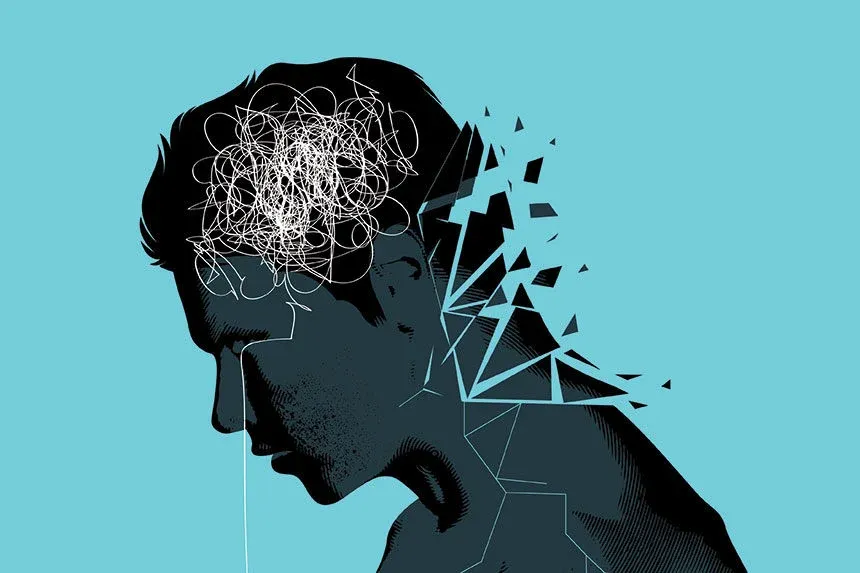
The Invisible Battle: Living with Illness
I think it's safe to say that no one enjoys being ill, right? Even something as common as a cold can leave us feeling completely drained, both physically and mentally. It can affect our energy, impact our mood, and make even the simplest everyday tasks feel much harder than they normally would.
But for people living with a long-term illness, these challenges don't simply disappear after a few days. They can become part of everyday life, bringing ongoing physical, emotional, and mental struggles. These experiences are often unseen by others, which is why I believe it is important that we acknowledge them, raise awareness, and provide better support for those who live with these conditions.
A long-term illness, sometimes referred to as a chronic condition, is a health condition that usually cannot be cured but can often be managed. This may involve a personalised treatment plan, including medication, regular medical appointments, therapies, lifestyle adjustments, or ongoing support. While these treatments can help people manage their condition, they don't always remove the daily challenges that come with living with a long-term illness.
These challenges can impact even the simplest parts of everyday life. On some days, getting out of bed, preparing food, or even finding the energy to drink enough water can feel overwhelming. As a result, everyday responsibilities such as work, studying, or spending time with others can become much more difficult.
Unfortunately, because many long-term illnesses are not always visible, people can sometimes be unfairly judged as being lazy or unmotivated. The reality is that nobody chooses to feel unwell. They are doing the best they can while managing challenges that many people may never see.
Just because a struggle is invisible, it does not mean it isn't real.
The most important thing to remember is that, while we may not always be able to see these illnesses, we should remain open to understanding people's needs and showing patience.
Not everyone living with a long-term illness will feel comfortable sharing their experiences or discussing what they are going through, and that is completely okay. Sometimes, people don't need advice or questions; they simply need to feel supported, understood, and accepted.
A little kindness and patience can go a long way, especially when someone is facing challenges that we may never see.

The Journey of Finding the Right Subject:
Another question I get asked a lot as a university student is, 'What subject should I study?' And honestly, there isn't a simple answer to this.
Choosing a subject is a big decision, and there are lots of things to think about. While it's important to enjoy what you study, it isn't always as simple as saying, 'I love this subject.' Ensuring that you consider all of your interests, strengths, career aspirations, the course content, and whether you can genuinely see yourself studying it for the next few years is crucial.
At the end of the day, choosing the right subject is about finding the balance between something you're passionate about and something that will help you achieve your future goals.
The first piece of advice I would give is to do your research. Find out what the subject is really about, how it is taught, and what topics you'll actually be studying. Sometimes, the reality of a degree is very different from what people expect.
For example, psychology is often viewed as simply studying the human mind and behaviour. While that's certainly a big part of it, it also involves scientific research, statistics, data analysis, and even maths. If I hadn't looked into the course properly, I would have been very surprised when statistics appeared on my timetable (fun regardless though)!
The more you understand about a course before applying, the more confident you'll feel that it's the right choice for you.
Another piece of advice I would give is to look at the career opportunities your chosen subject can lead to. While it's important to enjoy what you study, it's also worth thinking about where that degree could take you in the future.
Ask yourself questions like: What careers does this subject open up? Can I see myself working in this field? Does it match my long-term goals?
Of course, it's perfectly okay if you don't have your whole future planned out. Many people change careers throughout their lives. However, having an understanding of the opportunities a subject can provide will help you make a more informed decision.
A degree is a significant investment of your time and effort, so it's worth choosing a subject that not only interests you but also supports the future you hope to build.
Finally, the most important thing to ask yourself is this the right subject for me, and am I doing it is it because I want to do it? Having the passion and dedication to a subject can be a huge driver to success.
Finally, the most important question to ask yourself is: Is this the right subject for me, and am I choosing it because it's what I truly want to do?
It's easy to be influenced by other people's opinions, career prospects, or even the subjects your friends are choosing. But at the end of the day, you'll be the one studying it, so your decision should be based on what feels right for you.
Having genuine passion, curiosity, and dedication for a subject can be one of the biggest drivers of success. When you enjoy what you're learning, you're often more motivated to work hard, overcome challenges, and make the most of your university experience.
Choose the subject that excites you, inspires you, and makes you look forward to learning because that's the one you'll be most likely to thrive in.

The Design Column and My Design Tea: The Space That Speaks
This is an area of design that is often overlooked and undervalued, but effective use of spacing can have a huge impact on the success of a design.
Space is not simply the empty area around elements; it plays an important role in creating balance, improving readability, and guiding the viewer's attention. When used effectively, spacing can enhance the purpose of a design and help communicate a message more clearly.
Without clear and effective spacing, a design can quickly feel crowded, rushed, and difficult to understand. When elements are placed too closely together, the main message can become lost, making it harder for the viewer to know where to focus.
Good spacing allows each element to breathe, creating a clearer structure and ensuring the purpose of the design is communicated effectively.
Think of spacing like the colour white on a palette. When using a white canvas, you may not consider white as a direct design element because it is already there, but it plays an important role in allowing other colours and elements to stand out.
In the same way, spacing may not always be the first thing people notice in a design, but it works alongside every other element to create balance, structure, and clarity. It gives the design room to breathe and allows the main message to be communicated effectively.
As a designer, spacing is also used differently depending on the project, the purpose, and the message that is being communicated.
For example, a luxury brand may use larger areas of space to create a feeling of elegance, simplicity, and exclusivity, while a fun and energetic design may use tighter spacing to create excitement and movement. The way space is used can completely change how a design feels and how the audience connects with it.
This is why spacing is not just about making a design look organised; it is a powerful tool that helps communicate the right emotions and messages and must be considered and acknowledged by designers.

Weekly Funny Moment Of The Week: Finding The Right School
This week I don't actually have a funny story to share, but thankfully I have one from last week that I've been waiting to tell.
Last week, I attended a conference (which, by the way, was brilliant). On the first morning, I woke up early, got myself ready, and proudly set off after putting the location into Google Maps. It looked a little far away, but I never mind a good walk, so off I went.
After what felt like a marathon, I finally arrived on campus... only to realise something wasn't quite right. There were no signs for the conference, no crowds, nothing.
So, I asked a student where the event was.
That's when they very kindly informed me that there were two campuses in the area.
My immediate thought? 'You've got to be kidding me!'
I checked the address again and, sure enough, the conference was actually on the other campus, which happened to be only a few minutes from my hotel. I'd walked miles in completely the wrong direction!
Needless to say, I very quickly ordered an Uber and just about made it to the conference on time.
So, the moral of this week's story? Always double-check you're heading to the right campus before confidently setting off on a scenic walking tour you never planned to take!
Aisha’s Tiny but Mighty Weekly Advice Section: Actions and their Consequences
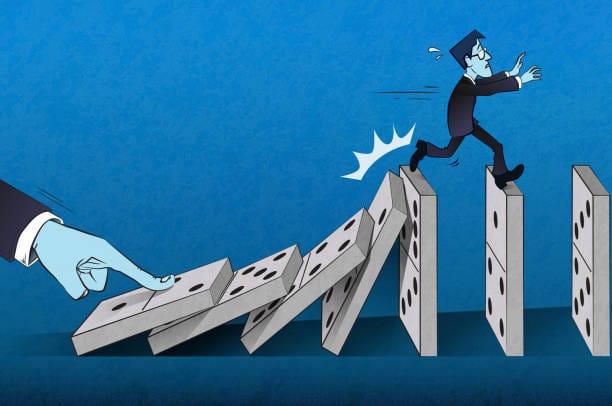
This week's topic focuses on understanding how every action we take can lead to a consequence. Whether it is something small in our everyday lives or a bigger decision that can shape our future, our choices often have an impact.
As humans, we constantly make decisions, but before acting, it is important to ask ourselves: Is this the right thing to do, and what could this action lead to?
Taking a moment to consider the possible outcomes of our choices helps us be more thoughtful, responsible, and aware of how our actions can affect not only ourselves but also those around us.
An example of this can be something as simple as changing your shampoo. From the outside, this may not seem like a life-changing decision, but even small choices can create different outcomes.
A new shampoo could affect the quality and appearance of your hair, change how you feel about yourself, or even become part of a new routine. It may seem like a tiny decision, but it shows how even the smallest actions can lead to changes we may not have expected.
Of course, this is only an example involving a simple object and a small change in our routine. Now imagine the impact and consequences when it comes to the actions we take as human beings.
Our choices, words, and behaviours can have a much greater effect, not only on ourselves but also on the people around us. This is why considering the consequences of our actions is such an important part of being responsible and understanding the impact we can have.
So, my advice this week is based on this idea: before making a decision, take a moment to think about the possible consequences.
It doesn't mean we need to overthink every single choice we make, but being aware of how our actions may affect ourselves and others can help us make more thoughtful decisions.

End of Blog Sign Off:
I’m really sorry if this week's blog seems a little shorter than usual. Let's just say I've been recovering from an illness, but I’m finally starting to get back to my usual upbeat self!
Thankfully, I’m feeling better and just in time for this week's F1 race, which I’m very excited for.
Thank you for continuing to support and read along with my blog journey. I hope you all have a wonderful, fun-filled weekend, and I’ll see you next week!
Until Next Week
Aisha.
Contents