

Week 7: The Bigger Picture

We are now into Week 7, and am I the only one ready to say that this UK heat is getting a little too much? Don't get me wrong, I absolutely love a bit of sunshine, but at this point, I'm so hot that I might have to invest in an air conditioner for my house!
But aside from battling this sun demon, it's been another really successful week, filled with achievements, exciting moments, and plenty of reasons to feel happy.
But without further ado, let's get started.
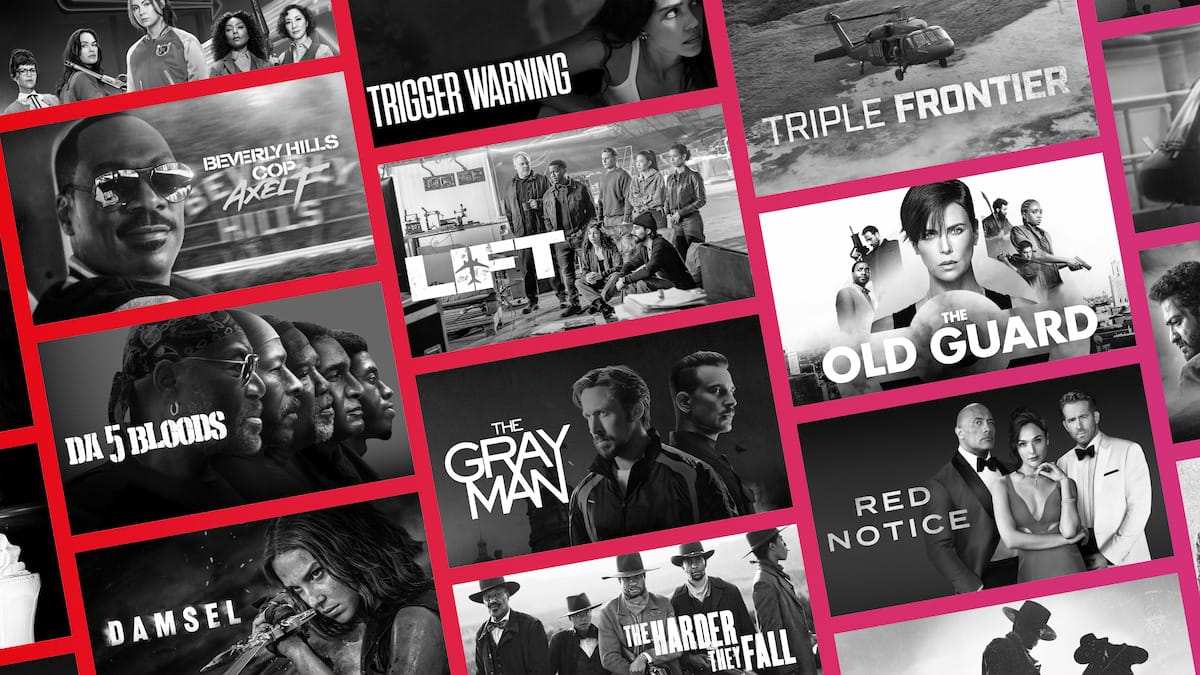
The Art of Cinema: What Makes a Great Movie?
So, this week, I went to the cinema to watch a newly released film, and I'm going to be completely honest: I'm not the most cultured when it comes to movies. It's not that I don't enjoy a good film; I don't always venture outside of the genres I already know and love.
Thankfully, my family has helped me branch out and explore the creative world of crime, fantasy, and sci-fi. From magical worlds to mysterious crimes and futuristic adventures, I've discovered just how different movies can be.
This got me thinking: what actually makes a good movie? Is it the storyline, the characters, the acting, the visuals, or perhaps something else entirely?
The beginning of a movie can often determine whether an audience will enjoy it or not. Those first few minutes are incredibly important because they set the tone, introduce the story, and give us a reason to keep watching.
If the opening is confusing, too slow, or fails to capture our attention, there's a good chance the audience will lose interest before the story has even had the chance to begin properly. But when a movie starts strongly, it can immediately draw us in and make us want to find out what happens next.
After all, if a movie can't keep you interested in the first few minutes, you might already be reaching for the remote, or, in my case, turning it off early and heading to bed!
Then you have the plot, which is a sequence of events that make up a movie and determine its popularity too. Having too many things or not having enough things happen can leave the audience feeling underwhelmed and confused.
And finally, the duration and length of a movie can make a big difference. Let's be honest, nobody wants to sit through a movie that feels like it is never going to end! At the same time, if a movie is too short, you might be left wondering where the rest of the story went. I think the perfect movie is long enough to tell the story properly but not so long that you're checking the time every five minutes.

More Than a Degree: What University Really Gives You
A lot of the time, people ask me, 'What’s the point of doing a degree? I can get a job without one, or there are other things I could do.' And honestly, they have a point; there are plenty of different paths you can take in life. But I don’t think you should pursue a degree just because you think it will guarantee you a job or help you earn more money. A degree is about so much more than that.
For me, pursuing a psychology degree brought me so much more than I ever expected, and that’s exactly what I want to share with you in this week’s blog.
The first year of my degree is what I like to call the 'learning and panicking' year! I was the new kid in town, and honestly, it was a massive culture shock. I came from a town where I was surrounded by people and a culture I was familiar with, so suddenly being somewhere completely new made me feel really out of place.
But, like with anything new, I had to adapt, learn, and find my feet. It definitely wasn’t always easy, but looking back, that first year taught me so much not just about psychology, but about myself too.
My second year brought me my biggest academic shock since my GCSEs! The difficulty of every subject seemed to go from 10 to 100 real quick, and to say I knew how to handle it would be a massive understatement. Coming from a high school with a strong focus on academic excellence, I suddenly found myself feeling, well, stupid.
But instead of letting that feeling take over, I realised that I needed to change my approach. I completely redesigned my study methods, experimented with different ways of learning, and started figuring out what actually worked for me. It wasn't an easy process, but it taught me an important lesson: sometimes, it's not that you're not capable, it's that you haven't found the right way to learn yet.
And finally came my final year of university, which honestly went by way too quickly! This year was all about pushing myself, trying new things, and learning to feel comfortable being uncomfortable. I had to accept that not everything was always going to go according to plan, and that's okay. Instead of stressing about every little thing that went wrong, I learned to embrace the chaos, adapt to whatever came my way, and just enjoy the journey.
Looking back, my final year taught me that sometimes the best experiences come from the moments you never planned for.
And now, I've graduated. I've got the degree, but I've also gained so many skills, discovered new aspirations, and changed in ways I never expected. As I approach my next chapter, I'm excited to continue learning, growing, and taking everything I've learned from my university experience with me.
So, if there's one thing I want you to take away from this blog, it's this: a degree can bring you so much more than just a job. It can help you grow as a person, discover what you're capable of, build confidence, make lifelong memories, and open doors you never even knew existed.

The Design Column and My Design Tea: Is There Such a Thing as a Design Everyone Likes?
As a designer, I think this is a question we constantly ask ourselves when creating or designing something new: 'Will people actually like this?' Will they find it attractive? Will it catch their attention? And, ultimately, will it become something that people enjoy and that builds popularity?
And today I will answer this question.
When we begin creating a design, one of the biggest puzzle pieces to making something people will actually like is understanding your target audience. You need to know what they enjoy, what catches their attention, what brings them joy, and, most importantly, what they actually want. By understanding your audience, you can create a design that not only looks good but also connects with people and gives them a reason to like it.
At the same time, there will always be someone who doesn't like your design, and that's okay! It doesn't mean the design is a failure. Everyone has different tastes and preferences, and it's impossible to create something that absolutely everyone will love. What matters is understanding your target audience and creating something that connects with the people you're designing it for.
So, there you have it; that's your answer! You don't need everyone to love your design; you just need to create something that resonates with the people you're designing it for.
But how do you actually create something that your target audience will enjoy? Well, it all starts with research. Weirdly enough, social media can actually be a really useful tool for this. It gives you a quick insight into what's trending, what people are talking about, and what types of designs are currently catching people's attention. By keeping an eye on these trends, you can start to understand what your audience likes and use that knowledge to inspire your own designs.
Other tools, such as consultations, surveys, and looking at previous designs, can be really helpful too. The more you understand your audience and what they respond to, the better you can create something that feels relevant, engaging, and, most importantly, something they'll actually enjoy.
In conclusion, design is just as much about the creation itself as it is about knowing who you are creating it for. It's about understanding your audience, doing your research, keeping up with trends, and creating something that genuinely connects with people. At the end of the day, a great design isn't necessarily one that everyone loves, it's one that speaks to the people it was created for.
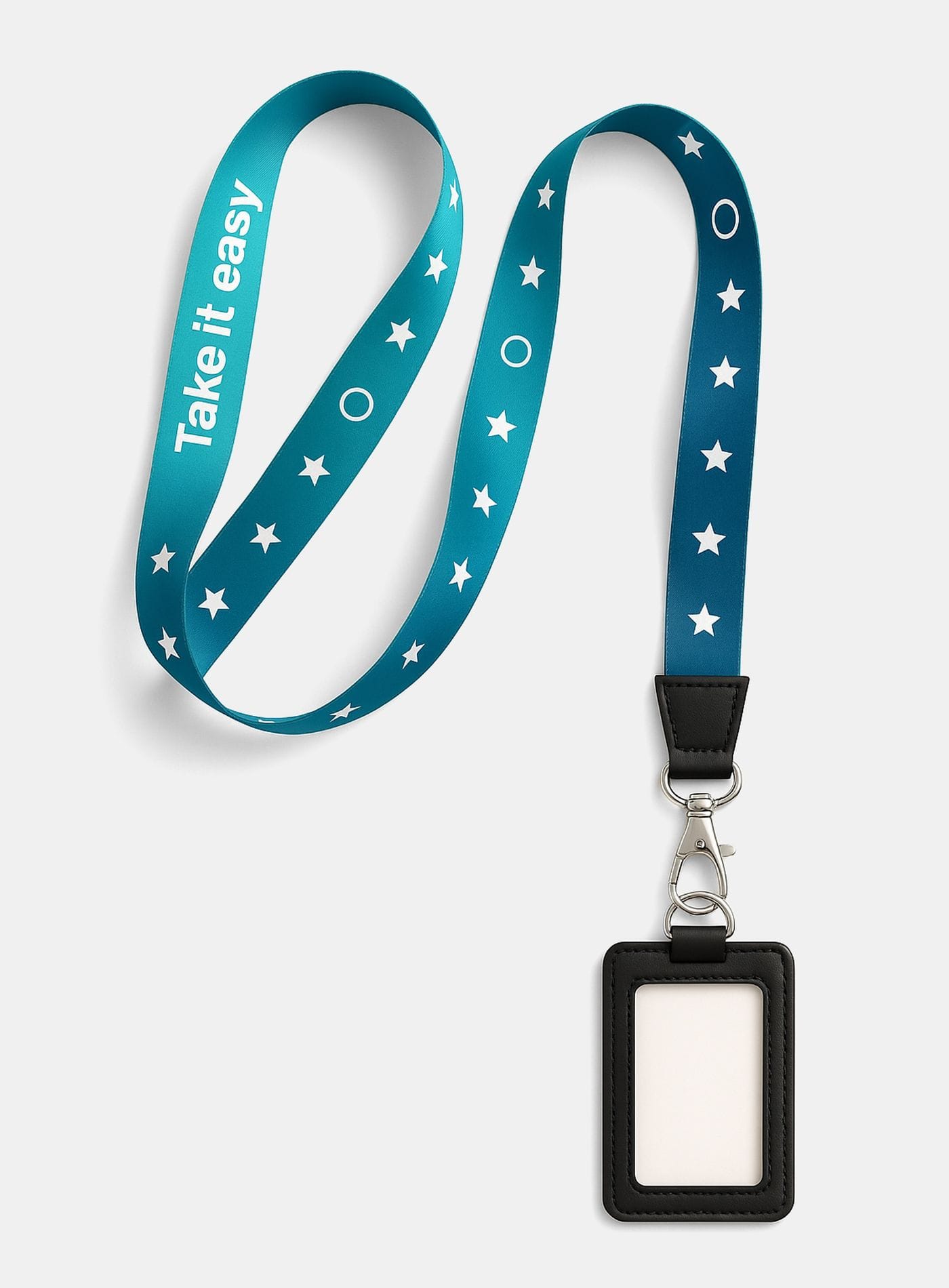
Weekly Funny Moment Of The Week: The Lanyard Incident
I think it's time to confess something: I am very forgetful and, somehow, I am also very good at leaving things behind. So, of course, I did it again.
I was on campus this week for my graduation, and I thought, 'While I'm here, I might as well return all the books I borrowed from the library.' That way, I wouldn't have to make two separate trips. Makes sense, right?
Well, I thought I needed my lanyard to return the books. Turns out, you only need it to check books out, not return them, but that wasn't even the point.
I walked into the library, returned all my books, and then went off to return my graduation gown. Everything was going perfectly until I got a phone call informing me that I'd left my lanyard behind. So it's gonna be two trips after all.
Yep. I had done it again.
Aisha's Tiny but Mighty Weekly Advice: Why Lies Can Cause More Damage Than We Think
Today, I want to talk about something we have all experienced in one way or another: lying. More specifically, I want to explore the problems and pain that lying can cause not just for the person being lied to, but sometimes for the person telling the lie too.
A lie is generally understood as a form of deception where someone gives information that they believe to be untrue but chooses to say it anyway. Lying is also considered one of the most common forms of wrongdoing that humans engage in.
But why is lying bad? Well, the definition itself gives us a pretty clear answer. At its core, lying means telling someone something that isn't true. It involves deliberately giving someone false information, which can lead to broken trust, misunderstandings, and, in some cases, a lot of pain.
Once you tell someone a lie, it can be very difficult to take it back. Even if you eventually tell the truth, the damage has already been done. Once someone discovers that you've lied to them, rebuilding that trust isn't easy either. Trust takes time to build, but it can be lost in just a few moments.
So, does that mean you should never lie? Well, not exactly. We are all human, and that means we all have feelings. Sometimes, telling a lie can actually be a way of protecting someone, especially if it helps prevent harm, danger, or threats. There are situations where telling the complete truth could put someone at risk, and in those moments, a lie may be used to keep someone safe.
Ultimately, I think the real lesson isn't that we should never lie, but that we should think carefully about why we are choosing to do it. Is the lie protecting someone from genuine harm, or are we simply trying to avoid an uncomfortable conversation or the consequences of our own actions? There is a big difference between the two.
Lying can sometimes feel like the easiest option in the moment, but the consequences can last much longer than we expect. A small lie can grow into something much bigger, and once trust is broken, rebuilding it can take a lot of time, honesty, and effort.
End Of Blog Sign-Off:
Well, today has been a fun-filled, creative, and joyful week, along with another race week, which I’m hoping will bring an exciting weekend! And, of course, a huge congratulations to Spain for winning the World Cup! 🇪🇸🏆
Anyway, I hope you all have a wonderful and restful weekend, and hopefully, unlike me, you don't lose anything along the way! 😂
Until Next Week
Aisha.
Contents